

Fashion — 4 min read
Jewellery Editorials: Why Detail Shots Matter
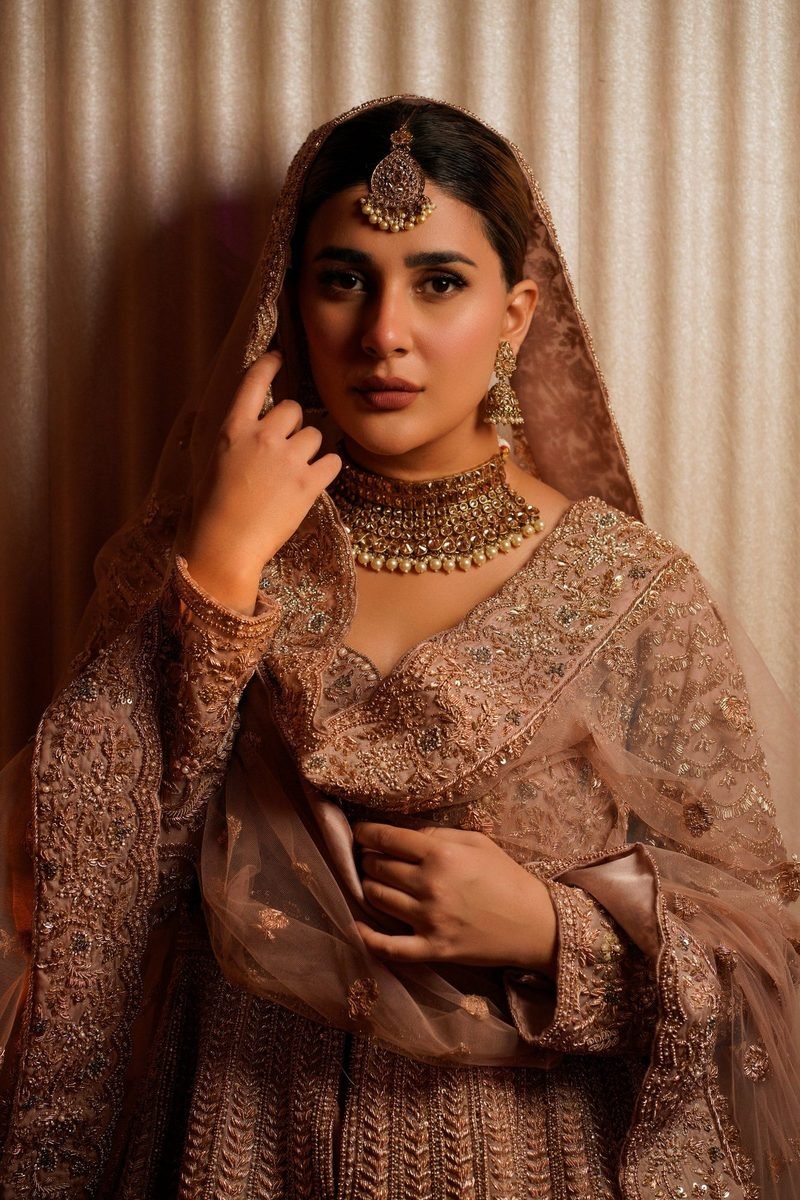
A full-length editorial image sets the mood, but a jewellery piece is judged up close. Detail shots show the clasp, the setting, the engraving and the way a stone catches the light, which is exactly what a buyer, or a bride, wants to see.
What a detail shot is
A detail shot is a close-up that fills the frame with one part of a piece: the claws around a diamond, the texture of a hand-finished band, the hinge of a bracelet. It sits alongside the hero image (the whole piece, clean and centred) and the on-model image (the piece being worn). Together the three tell the full story.
Why they matter
Online buyers cannot pick the piece up. A close, sharp image does the job of holding it in your hand and answers questions about quality before they are asked.
They show craftsmanship. Fine work is small. Detail shots make polishing, stone setting and engraving visible in a way a wide image cannot.
They give scale and context. A close-up on a hand or ear shows how big the piece really is and how it sits on the body.
They carry the story for brides. Rings, earrings laid out before the ceremony and heirloom pieces are some of the most treasured pictures from a wedding day.
Lighting: metal and stones are mirrors
Polished metal reflects whatever is around it, including the photographer. Large, soft light sources give smooth gradients on gold and silver, while smaller, harder sources bring out the sparkle in stones. Black and white cards placed just out of frame shape those reflections and add definition. Every piece needs to be cleaned first, because dust and fingerprints are magnified at this scale.
Sharpness at close range
The closer the lens is to the subject, the thinner the sliver that is in focus. To keep a whole ring or pendant crisp, photographers often shoot several frames focused at different distances and blend them together, a technique called focus stacking. It takes longer, but it is the difference between a sharp detail and a soft one.
Styling that stays out of the way
Clean hands and neat nails matter as much as the jewellery. Choose skin tones and backgrounds that let the metal stand out, and keep props simple, such as stone, silk or a plain surface, so nothing competes with the piece. For a collection, keep the set and lighting consistent so every image looks like it belongs to the same brand.
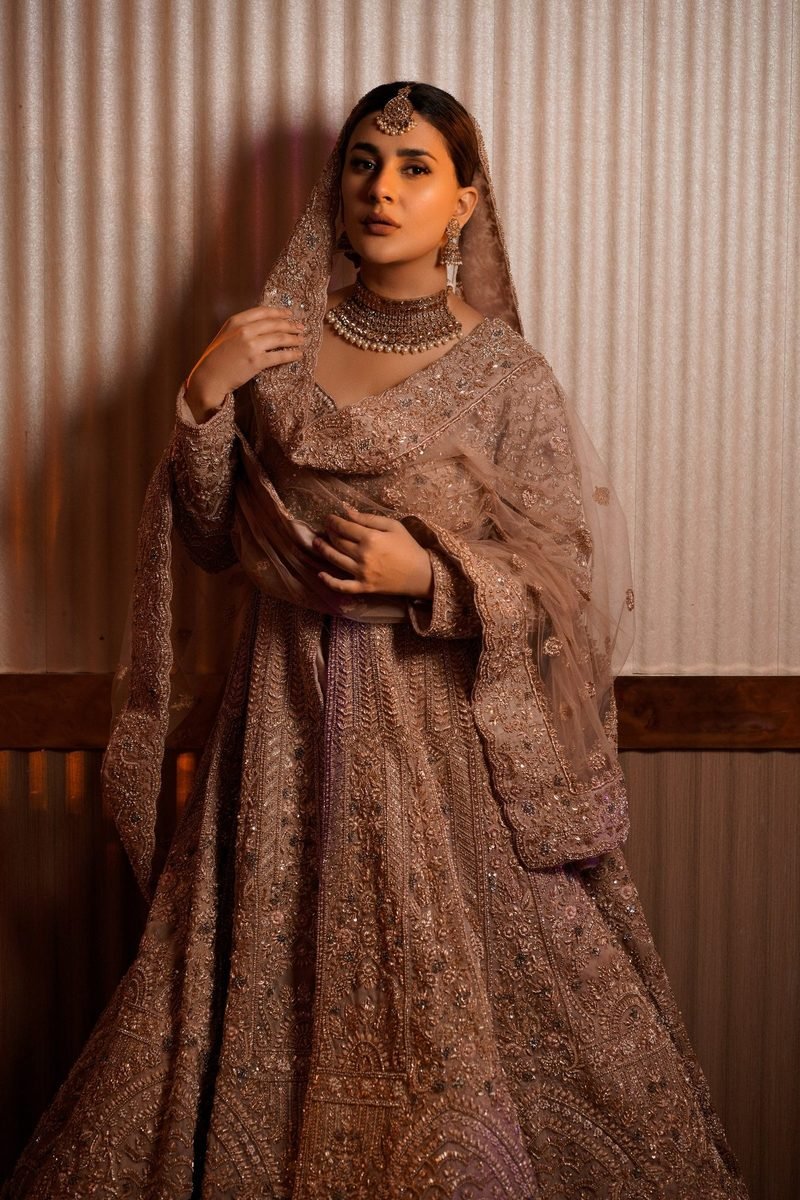
A simple shot list for a jewellery brand
- A hero image, front-on and evenly lit
- A three-quarter angle that shows depth
- One or two close-ups of the details that make the piece special
- An on-model shot for scale (neck, ear or hand)
- An editorial or lifestyle image that shows mood
Quick answers
How many detail shots does each piece need?
Two to four is usually enough: one for the setting or stone, one for the clasp or finish, and one that shows texture.
Do you shoot for online stores as well as editorials?
Yes. See the pricing page for fashion, e-commerce and advertising packages.
Shooting jewellery?
Look through fashion and e-commerce work in the gallery, or send an enquiry with your pieces, your platforms and your timeline, and I will suggest a shot list.
Send an enquiry