

Advertising — 5 min read
Scouting Locations That Actually Photograph Well
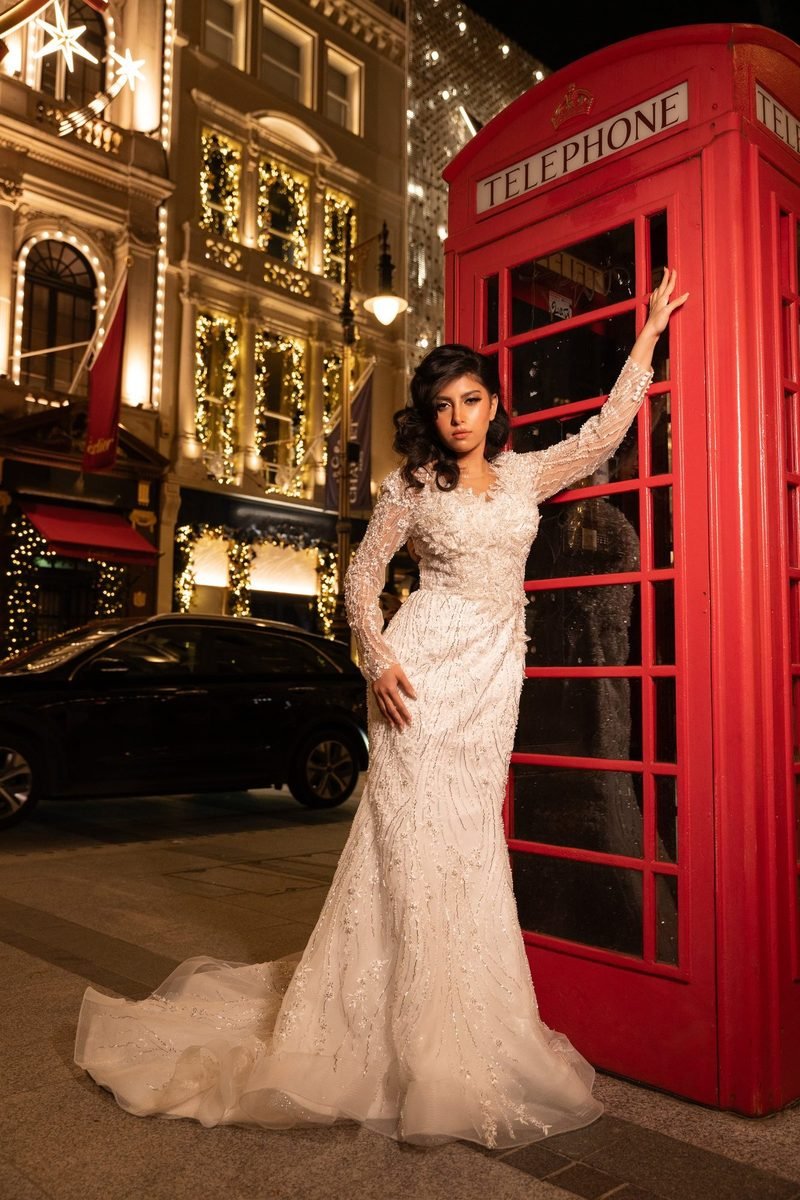
A location can look beautiful in person and still photograph badly. Scouting is how you find out before the day, by checking the light, the background and the practical details that decide whether a shoot runs smoothly.
1. Visit at the time you will shoot
Light changes everything, and it changes by the hour. A wall that glows at 5pm can sit in flat shade at noon. Visit at the same time of day as your shoot, note where the sun is and which way it is moving, and take a few test photos. A sun-tracking app helps you check the direction of light on the day you plan to shoot.

2. Look at the background, not just the spot
The place you would stand is rarely the problem. The things behind the subject are: bins, signs, parked cars, bright windows and busy colours. Hold your phone at the height of the camera and look through it from where the subject will stand. A good background is simple, has some depth and gives a clean shape around the person or product.
3. Check permissions early
Many parks, venues, buildings and streets have their own rules for professional or commercial photography, and some charge a fee or need a permit. Do not assume that a public place is free to use. Ask the owner or manager, explain what you are shooting and how many people are involved, and get the answer in writing. It is far better to settle this a week ahead than to be asked to leave halfway through a shoot.
4. Plan the logistics
Great locations can become difficult ones when the practical side is ignored. Check these before you commit:
- How you get there, and where to park or where the nearest station is
- Where the team can change, warm up and store bags
- Toilets and somewhere to sit
- Step-free access and how far you must carry equipment
- The walking time between your chosen spots, because moving takes shooting time
5. Think about crowds and noise
Popular spots in London are crowded most of the day. Early mornings and weekday afternoons are usually calmer. If you need the busy place, plan the shots that need a clear background for the quietest window and leave the wider, crowd-friendly frames for later.
6. Always have a weather backup
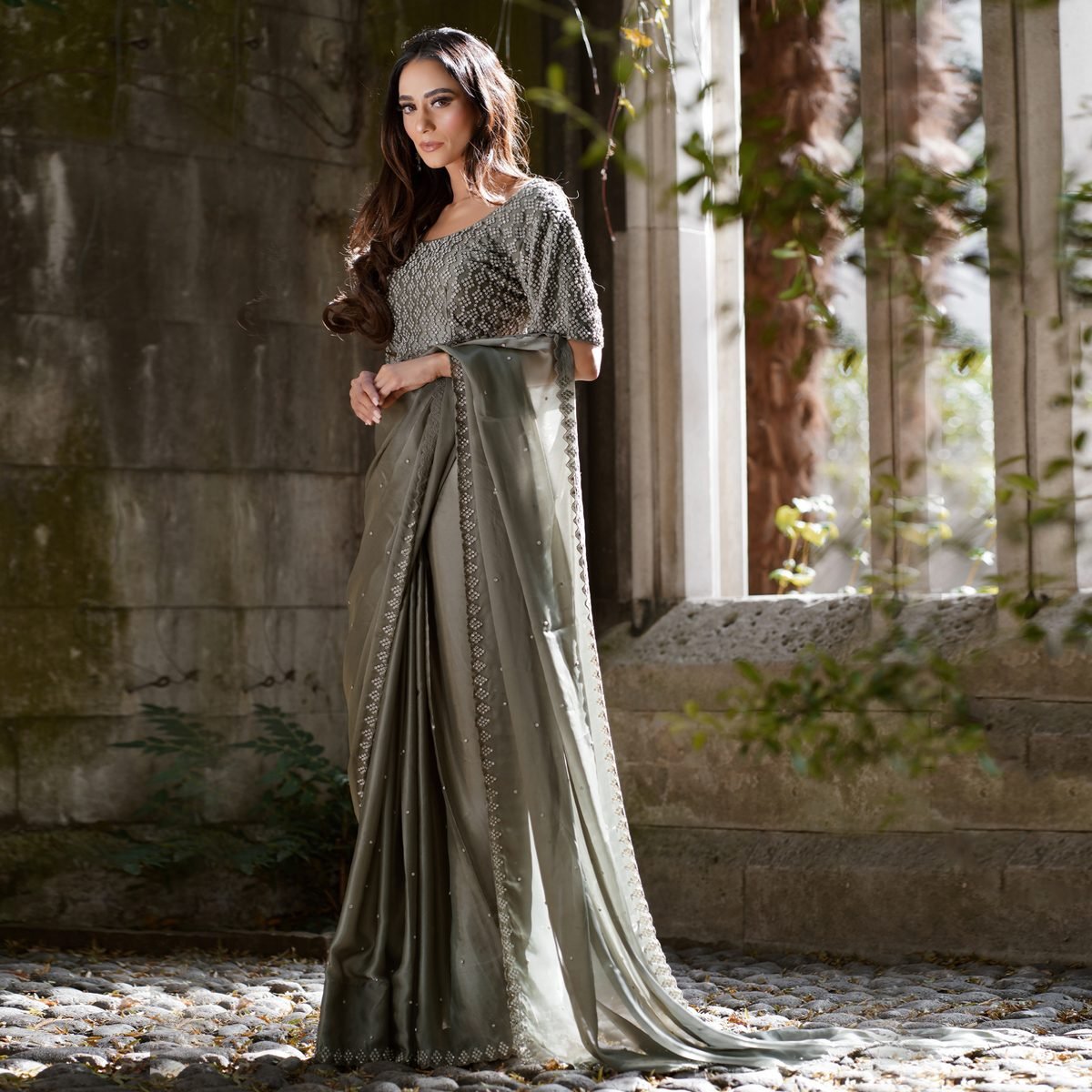
The best plan for rain is a covered or indoor alternative you have already checked. Overcast light is often excellent for portraits and fashion, so a grey day does not have to mean cancelling, but wind and heavy rain affect hair, fabric and equipment. Know your Plan B before you need it.
7. Make a simple shot map
After scouting, write down three or four spots in the order you will visit them, with the time of day each works best and one line on what you will shoot there. On the day it becomes a running order, and it keeps the shoot on time.
Quick answers
How many locations do I need?
Two or three strong ones are better than six rushed ones. Each move costs time.
Can you help me choose?
Yes. Tell me the area, the look you want and the date, and I will suggest options that suit the light and the brief.
Planning a shoot?
See how locations shape the results in the gallery, or send an enquiry with the date and the kind of shoot you are planning.
Send an enquiry