

Portraits — 4 min read
The Art of the Portrait: Finding Your Best Angle
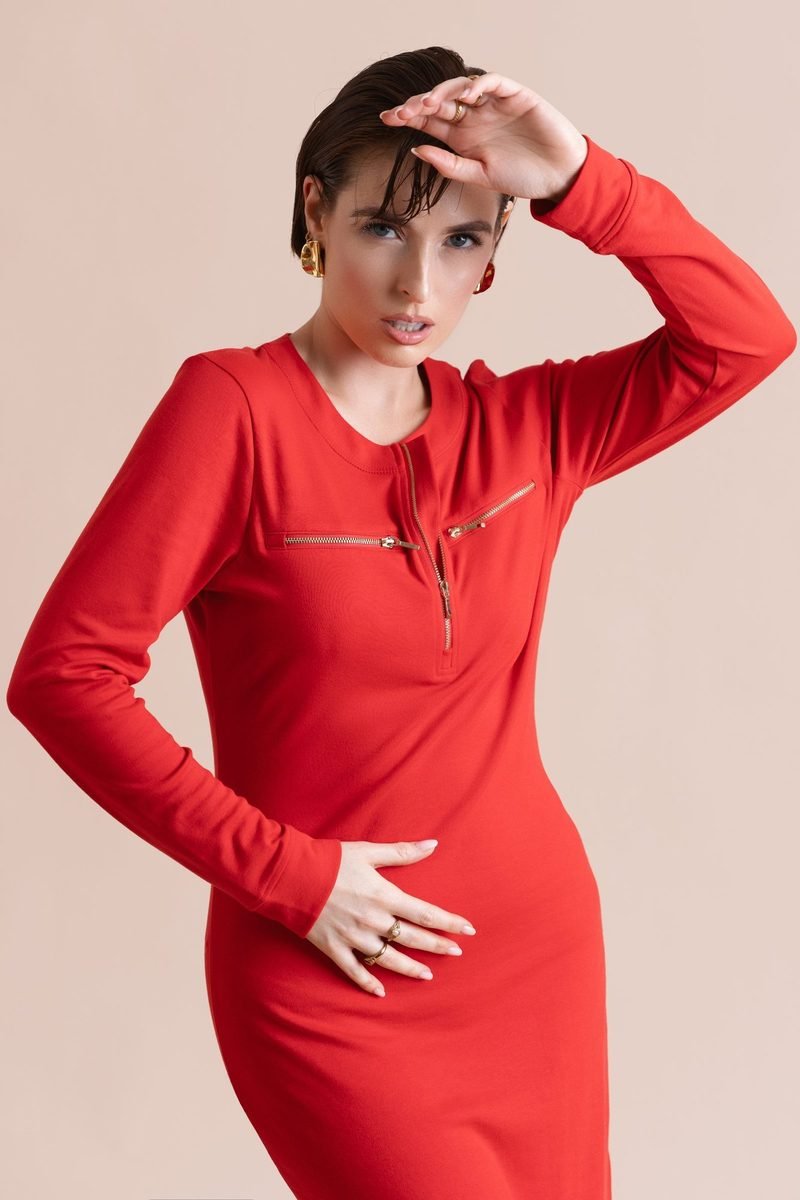
Nobody has a single "good side". The angle that flatters you depends on the light, the height of the camera, the lens and how you stand, and all four can be adjusted. Here is what I look at when I set up a portrait, and what you can do to help.
1. Camera height changes the whole face
A camera held slightly above eye level and tilted a little downwards is flattering for most faces: it opens the eyes and defines the jawline. A camera that is too low exaggerates the chin and nostrils, while true eye level gives a calm, natural look that works well for conversation-style portraits. I move the camera between these positions until the face reads the way you want it to.
2. Turn your body, face the camera
Standing square to the camera makes anyone look wider and more stiff. Turn your shoulders about 45 degrees away, then bring your face back towards the lens. Put your weight on the back foot and let the front knee relax. The shape this creates is more dynamic, and it takes seconds to do.
3. Chin forward and slightly down
It feels strange, but pushing your forehead a little towards the camera and dropping your chin slightly sharpens the jawline and avoids a doubled chin. Small movements are enough: a centimetre changes the picture. If it feels exaggerated to you, it usually looks just right on screen.
4. Let the light do the work
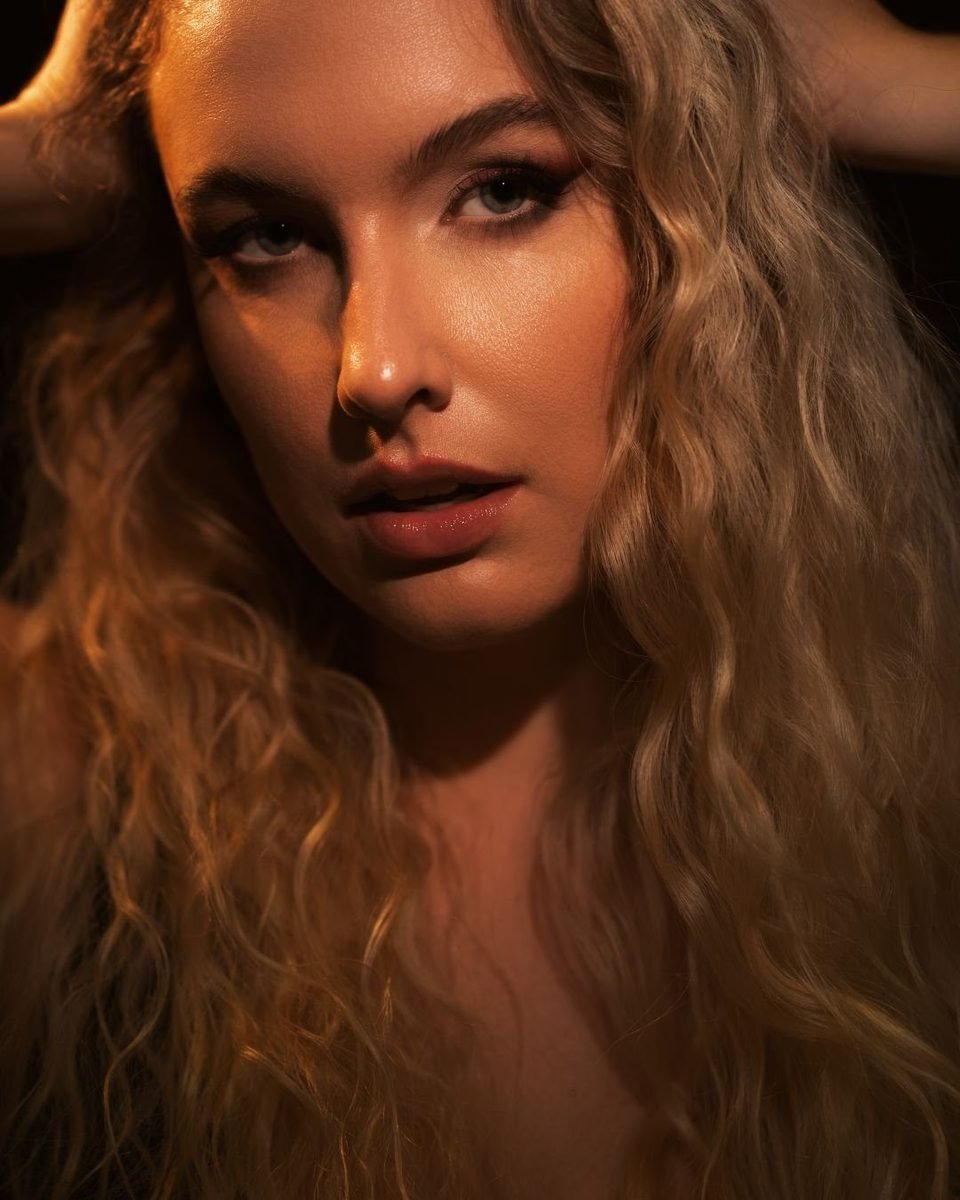
Soft light from a window or from open shade is the easiest to flatter with. Have the light come from about 45 degrees to one side of your face so that it shapes your features instead of flattening them. Harsh overhead sun creates dark eye sockets, so we look for shade or wait for the sun to drop. If you wear glasses, a very small tilt of the head usually removes reflections.
5. The lens matters more than you think
Portrait photographers typically choose lenses in the region of 85mm to 135mm (on a full-frame camera). Longer lenses compress features and look natural. A wide-angle lens used up close stretches the nose and forehead, which is why a selfie can look different from a portrait made with the right lens. If a portrait ever looks distorted, the lens is the first thing to check.
6. Give your hands something to do
Hands look awkward when they have no job. Adjust a cuff, hold a jacket lapel, rest a hand on a chair or walk slowly towards the camera. The best frames often happen between poses, when you laugh, exhale or look away and back. I direct with short, calm prompts and keep the camera moving so you never have to hold a pose for long.
What to wear
Choose clothes that fit well and that you are comfortable in. Solid colours and simple textures photograph cleanly, while very small patterns can create a shimmering effect on camera. Bring a second option, and iron everything the night before.
Quick answers
Do I have a best side?
Most faces are slightly asymmetrical, so one side may suit a particular expression or light. I will find it in the first few frames.
What if I hate being photographed?
That is very common. We start slowly, I show you the back of the camera early, and most people relax once they see the first good frames.
Book a portrait session
See portrait work in the gallery, or send an enquiry with the look you have in mind and I will reply with availability and options.
Send an enquiry